HERMES is built by 8 specialized engineering divisions — each owning a critical layer of the HERMES-EXO. Explore what every team does and who drives it.
The Software subsystem is tasked with the comprehensive development and maintenance of the architectural framework that drives the exoskeleton. Operating primarily on the Robot Operating System 2 (ROS 2) middleware, this subteam orchestrates the complete data pipeline, seamlessly integrating high-frequency sensor acquisition with precise motor actuation commands. The software infrastructure encompasses a sophisticated graphical user interface (GUI), enabling intuitive interaction for both the system pilot and structural engineers. At the core of the operational logic lies a robust central state machine, meticulously governing all systemic behaviors and ensuring rigorous safety validation protocols are met prior to movement execution. Furthermore, to mitigate risks and accelerate development cycles, the subteam utilizes a highly accurate Gazebo-based simulation environment. This facilitates comprehensive, virtual hardware-in-the-loop testing, allowing for the rigorous evaluation of control algorithms and system responses under diverse simulated conditions before deployment on physical hardware.
13
Engineers
Victor Deligiannis
Subsystem Head
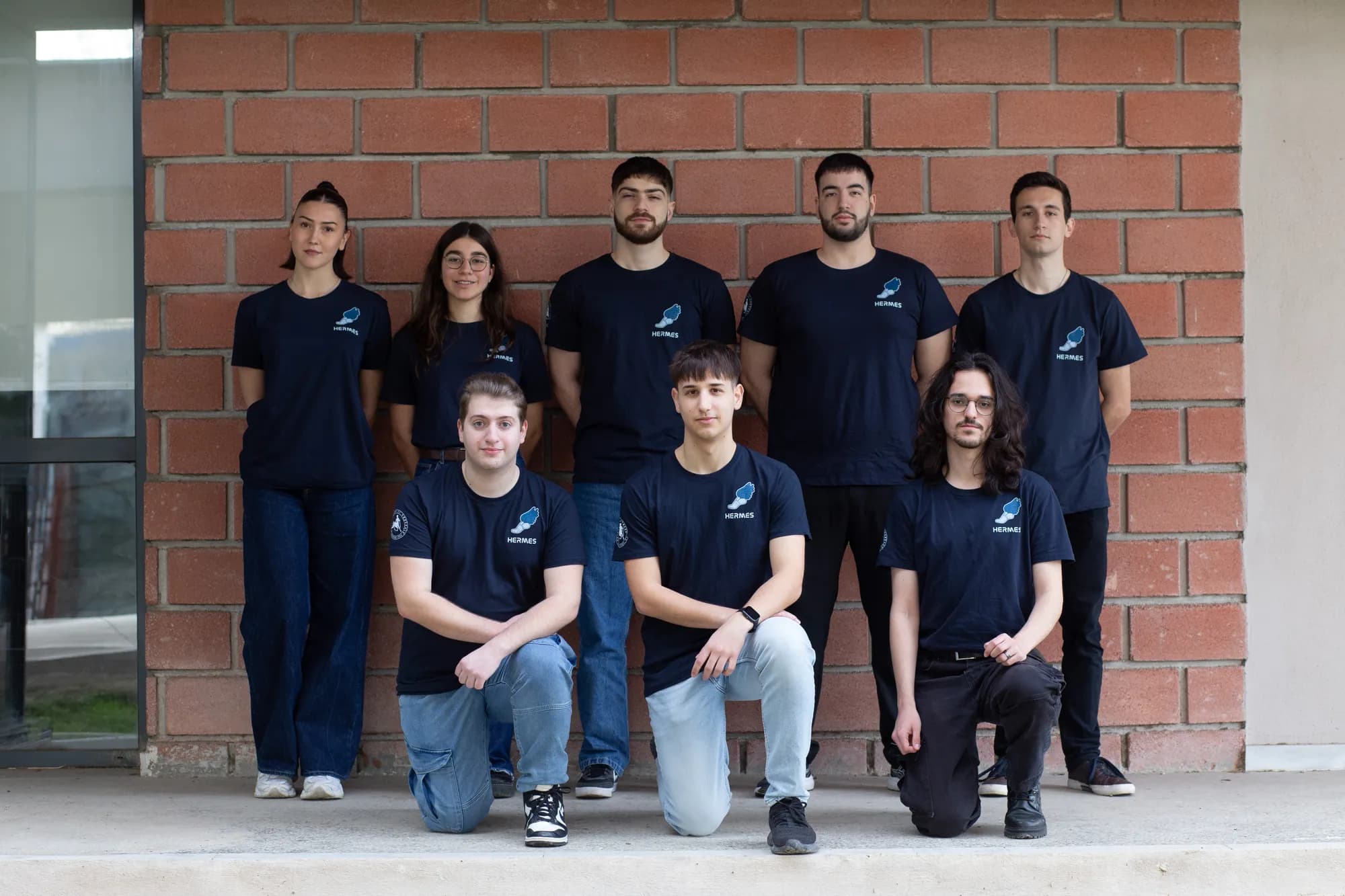
The Embedded Systems subsystem functions as the critical intermediary interface bridging the exoskeleton’s high-level software algorithms and its physical hardware components. This subteam is dedicated to the meticulous design, fabrication, and integration of robust embedded architectures capable of facilitating deterministic, real-time system responses. Primary responsibilities include the sophisticated programming of microcontrollers and the establishment of reliable communication protocols between complex sensor arrays, actuators, and the central processing unit. By engineering customized firmware, the team ensures the seamless and synchronous operation of all peripheral components within the overarching system architecture. This requires rigorous attention to low-level hardware abstraction, signal integrity, and processing timing constraints. Ultimately, the embedded systems group provides the foundational digital infrastructure necessary to translate high-level kinematic intentions into precise, measurable, and reliable electromechanical actions across the entirety of the robotic framework.
6
Engineers
Stefanos Manos
Subsystem Head
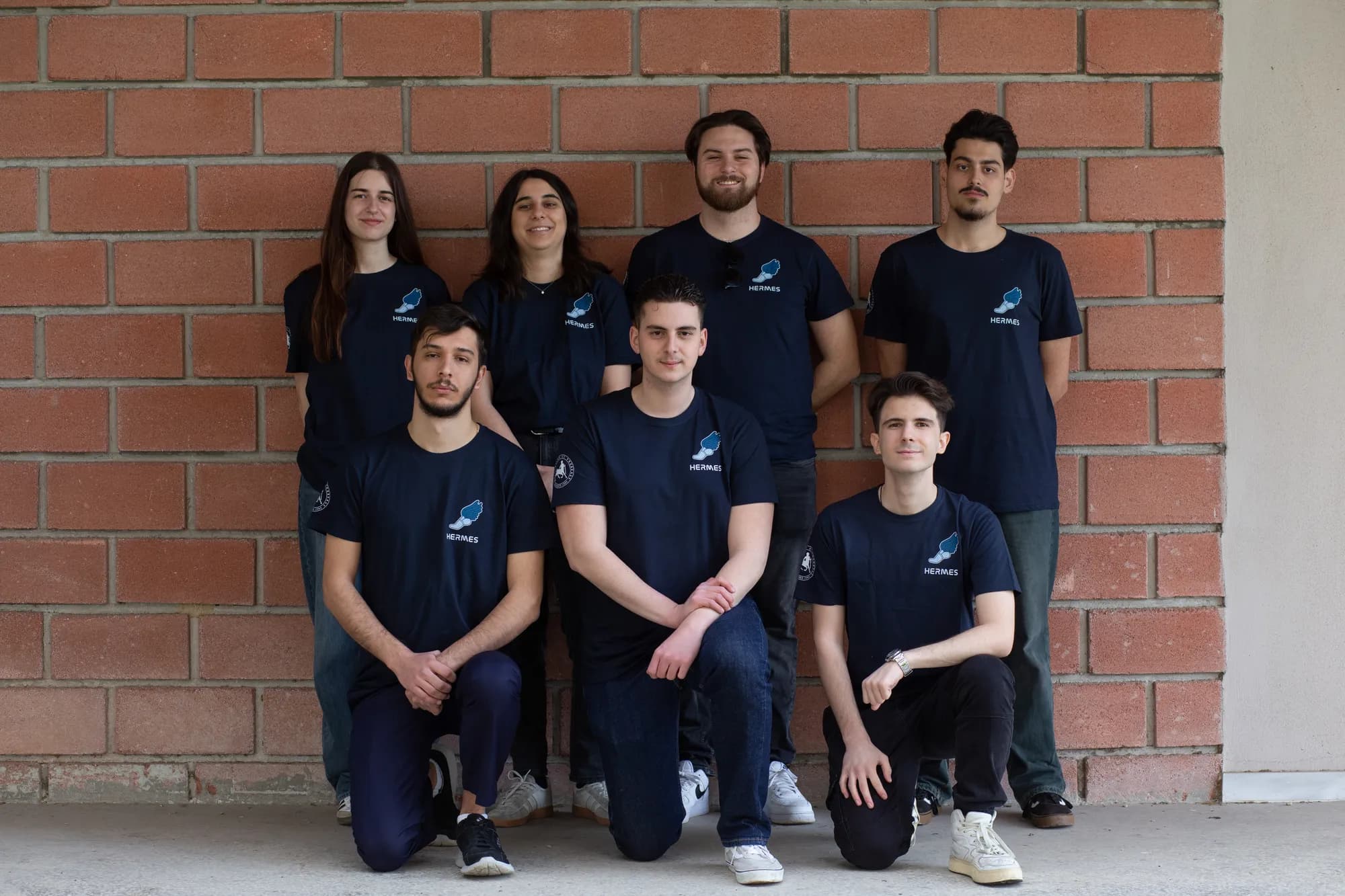
The Mechanical Design subsystem is tasked with the structural engineering and physical realization of the exoskeleton’s load-bearing framework. This subteam utilizes advanced Computer-Aided Design (CAD) software to meticulously model complex, multi-degree-of-freedom assemblies that align closely with human biomechanical constraints. A paramount objective is the optimization of the system’s strength-to-weight ratio; thus, the team conducts rigorous evaluations to select advanced, lightweight, and highly durable materials suitable for dynamic robotic applications. To predict structural behavior and refine design topologies, the engineers heavily rely on Computer-Aided Engineering (CAE) methodologies, particularly Finite Element Analysis (FEA). This rigorous computational approach allows for the extensive simulation of physical stresses, strains, and fatigue factors. Consequently, the subteam ensures that the physical architecture delivers peak mechanical performance, maintaining structural integrity and user safety while accommodating the complex kinematics required for fluid human-machine locomotion.
13
Engineers
Christos Georgios Sofianopoulos
Subsystem Head
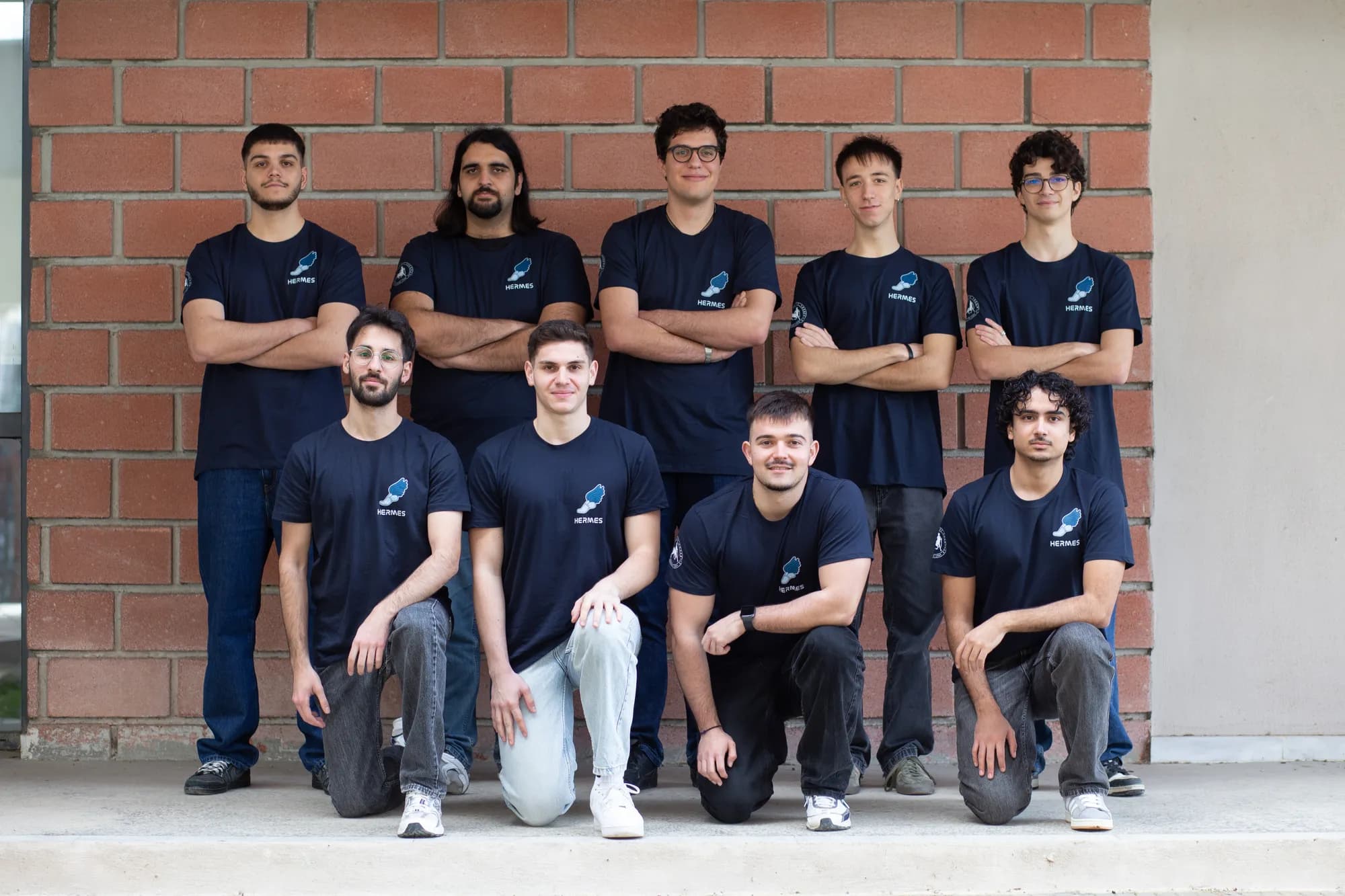
The Electrical and Electronics subsystem holds the primary responsibility for the conceptualization, design, and fabrication of custom printed circuit boards (PCBs) that govern the exoskeleton’s intricate electronic network. Utilizing advanced electronic design automation methodologies, the subteam engineers highly optimized circuits dedicated to efficient power distribution, rigorous electromagnetic interference (EMI) and noise reduction, and the reliable integration of complex sensor signals. A critical focus is placed on the ergonomic and mechanically secure routing of cables to preserve structural integrity and user mobility. Furthermore, the design pipeline incorporates comprehensive thermal simulations and state-of-the-art power management strategies to mitigate thermal throttling and optimize battery longevity. Through these rigorous electronic engineering practices, the subsystem substantially enhances the overall electromechanical efficiency, operational safety, and long-term reliability of the exoskeleton under demanding dynamic loads and varying environmental conditions.
8
Engineers
Athanasios Zounidis
Subsystem Head
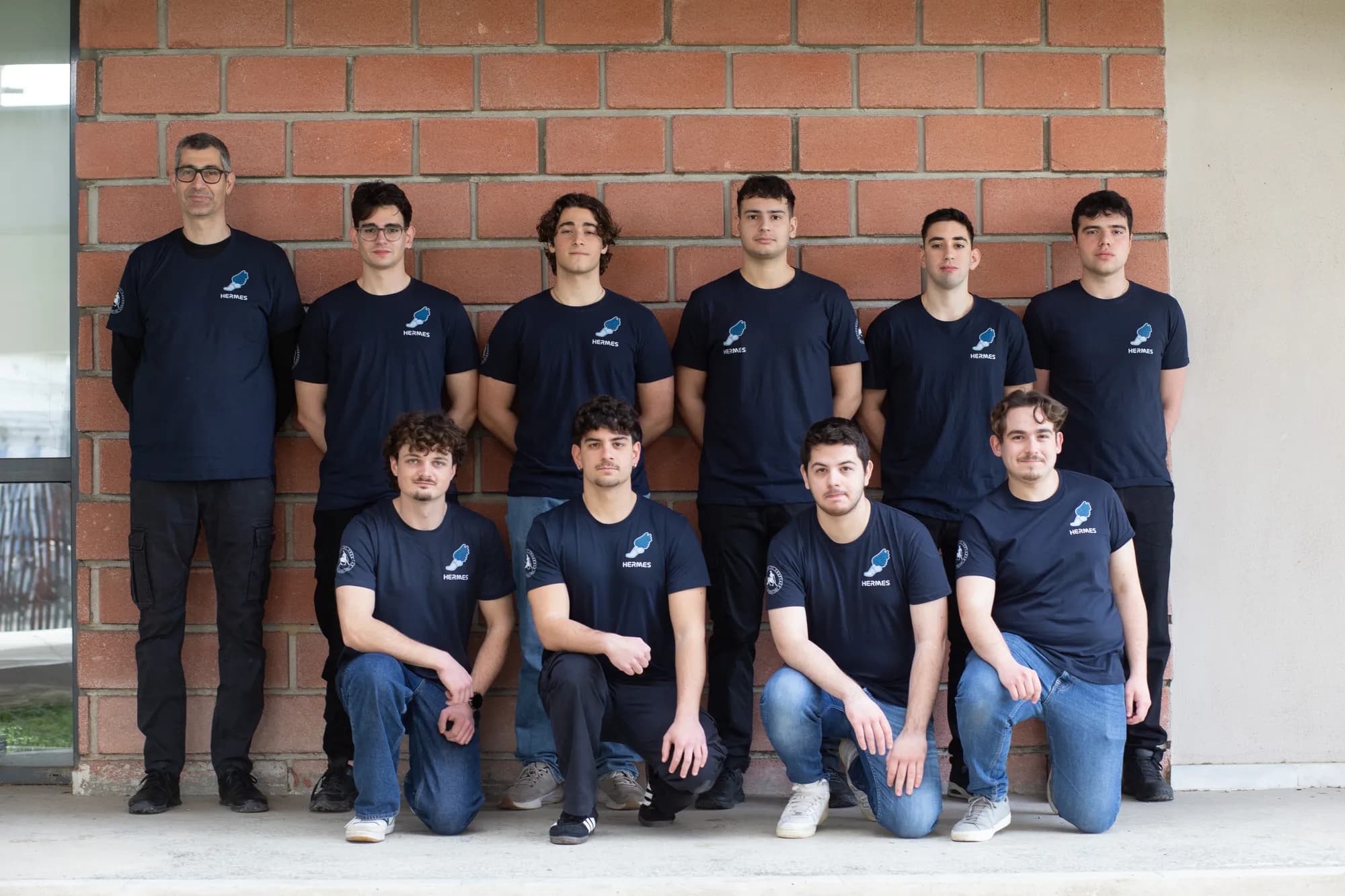
The Kinematics and Control subsystem governs the sophisticated actuation mechanisms and dynamic behavior of the exoskeleton system. This subteam is primarily responsible for generating mathematically optimized target trajectories for every required degree of freedom, ensuring smooth, anthropomorphic motion profiles. These trajectories are rigorously constrained within predefined safety thresholds and optimal power-consumption parameters. To achieve exact adherence to these spatial and temporal paths, the team implements advanced closed-loop control architectures. By continuously integrating high-frequency feedback from distributed proprioceptive and exteroceptive sensors, the controllers dynamically adjust motor torque and velocity. This continuous state estimation and feedback loop significantly enhances the system’s robustness, allowing it to effectively compensate for external physical disturbances, variable payload dynamics, and environmental uncertainties, thereby guaranteeing precise, stable, and safe physical execution of all intended biomechanical movements.
8
Engineers
Spyridon Petroglou
Subsystem Head
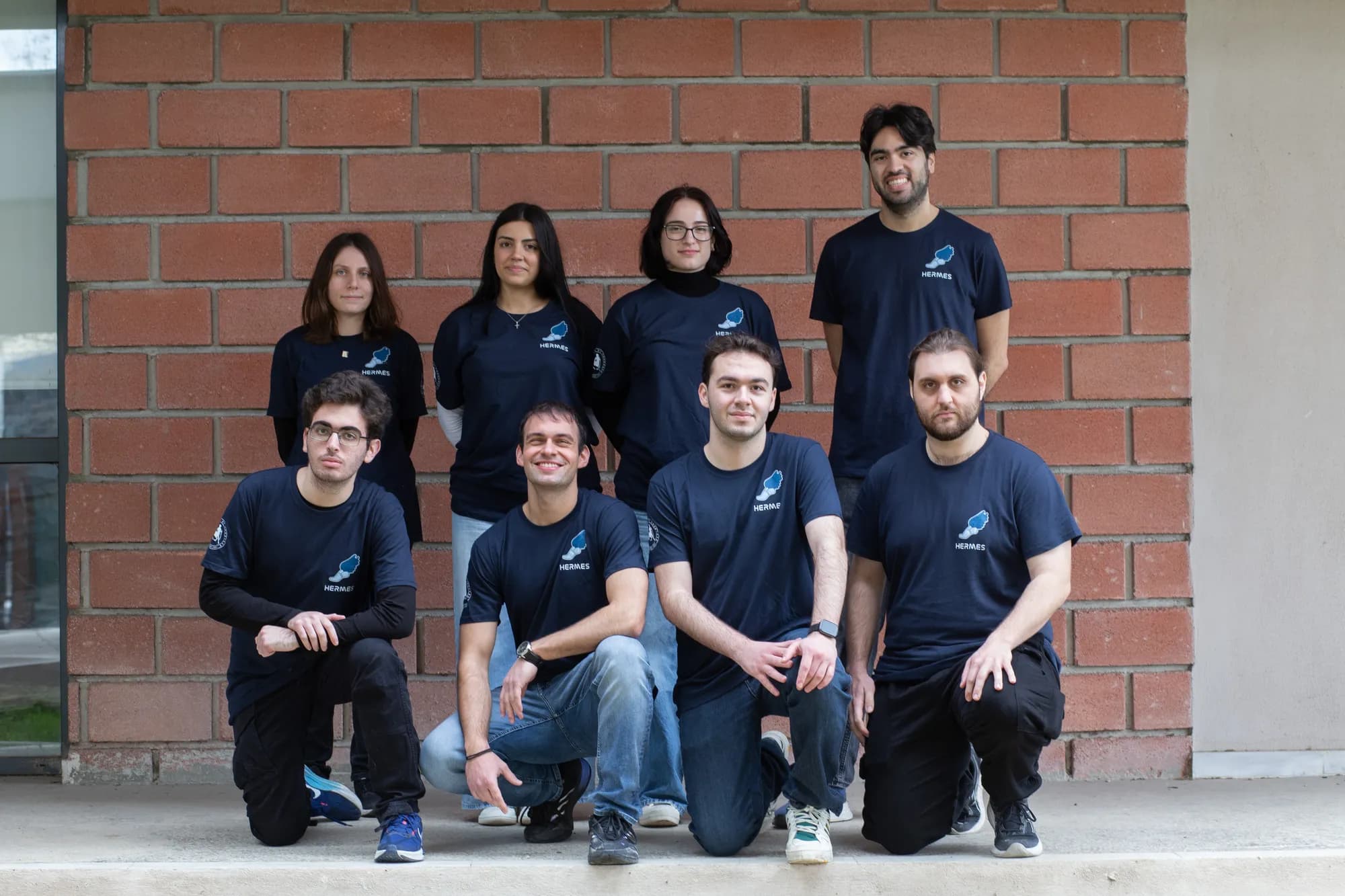
The Artificial Intelligence subsystem spearheads the integration of sophisticated Deep Learning (DL), Machine Learning (ML), and Large Language Model (LLM) architectures across four primary research axes. In Brain-Computer Interfaces (BCI), the team develops non-invasive algorithms for electroencephalogram (EEG) signal processing, motor imagery classification, and signal enhancement to facilitate autonomous, thought-driven actuation. For Motion Capture (MoCap), advanced neural networks are deployed to accurately map and replicate complex human kinematics. The Computer Vision (CV) division focuses on real-time spatial awareness, utilizing convolutional algorithms for precise object recognition, stair detection, and slope analysis to ensure safe navigation. Additionally, an integrated LLM application provides critical medical oversight, tracking continuous physiological parameters—such as heart rate and blood pressure—while employing a medically fine-tuned conversational agent to assist in user rehabilitation protocols, clinical monitoring, and interactive system diagnostics.
7
Engineers
Georgios Kapakos
Subsystem Head
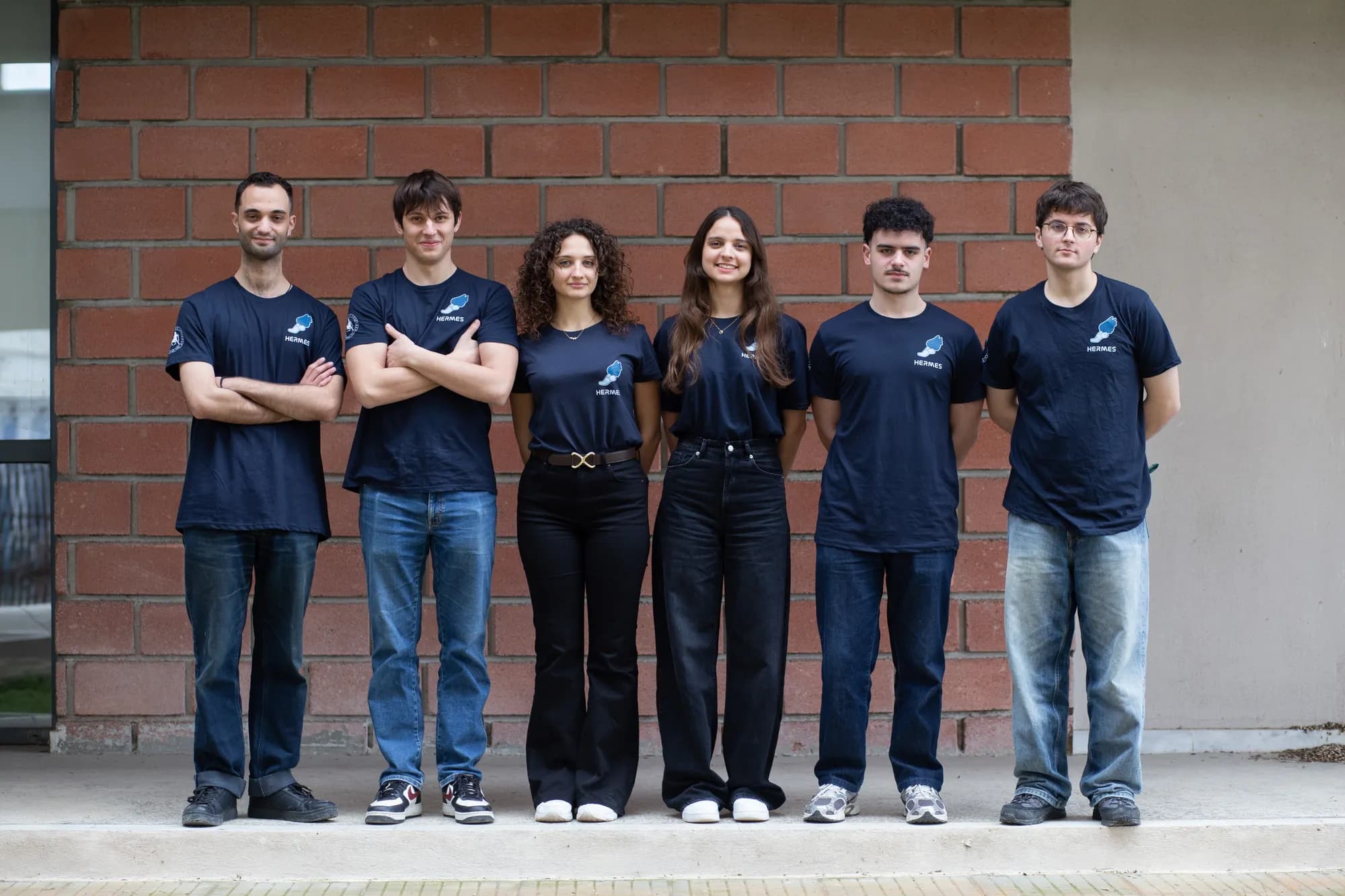
The Human and Health subsystem represents the critical interdisciplinary intersection between advanced robotic technology and clinical medical practice. This team is dedicated to optimizing the human-machine interface, prioritizing exceptional user ergonomics, comfort, and rigorous patient safety protocols throughout the exoskeleton's operational lifecycle. By fostering close collaboration among specialists across diverse medical disciplines—including biomechanics, neurology, and physical rehabilitation—the subsystem evaluates the physiological and psychological impacts of robotic assistance on the user. Their research methodologies guide the formulation of safe operational parameters, ensuring that the mechanical actuation aligns harmoniously with natural human biomechanics without inducing muscular strain or joint stress. Ultimately, this subteam ensures that the technological advancements of the exoskeleton are translated into tangible, user-centric healthcare solutions, maximizing therapeutic efficacy and promoting a safe, empowering rehabilitation experience for the patient.
7
Engineers
Maria Konstantina Karakikie
Subsystem Head
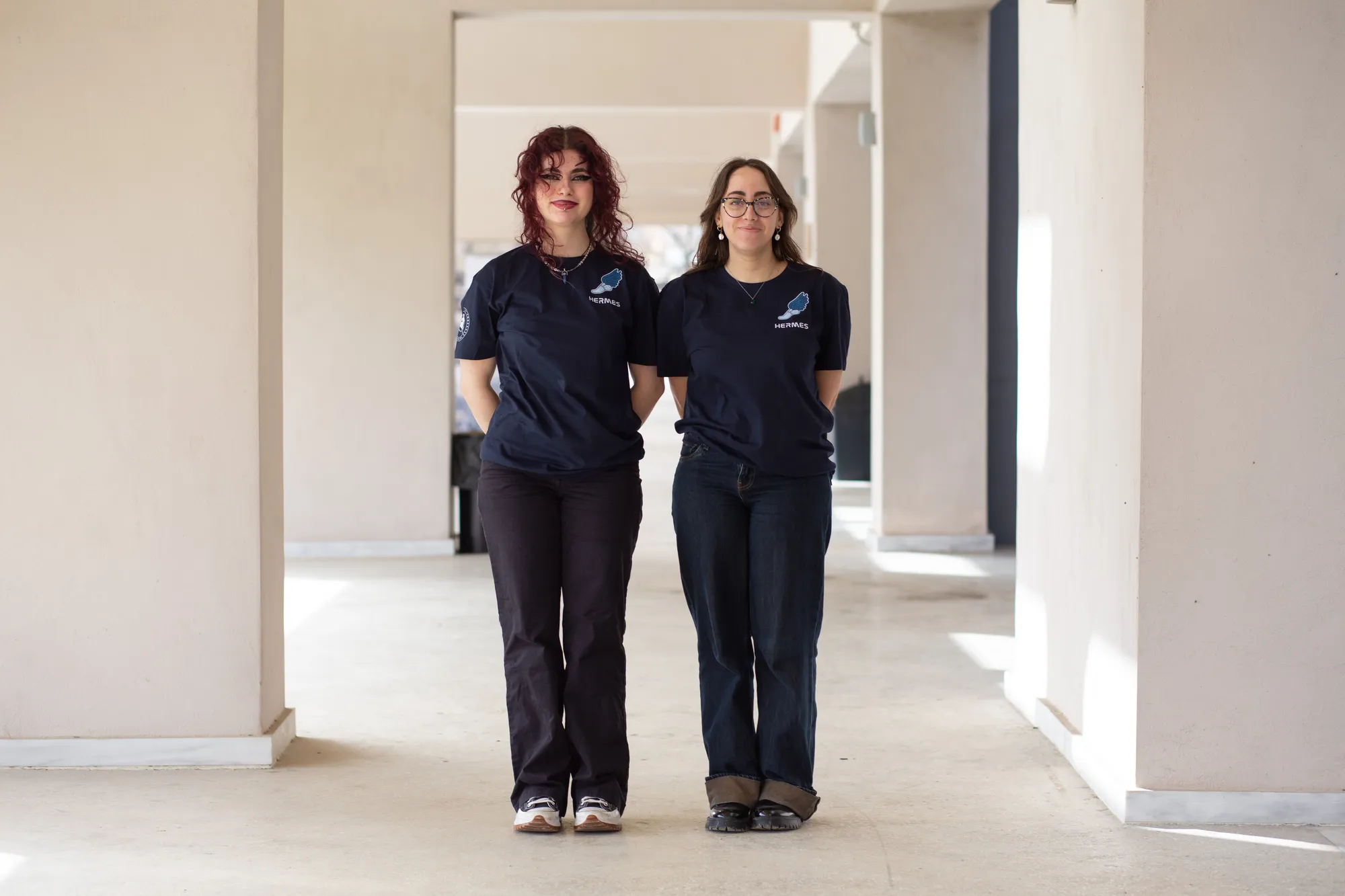
The Business & Communication subteam serves as the vital link between the project’s technical innovation and the outside world, driving both strategic growth and public presence. On the business front, members spearhead fundraising initiatives, secure sponsorships, and craft robust business plans to successfully pitch the team's vision in prestigious accelerator programs. Simultaneously, they manage comprehensive public relations and orchestrate impactful event organization to boost community engagement and build valuable partnerships. Blending strategy with creativity, the subteam also shapes and maintains a cohesive social media identity. Through targeted communication, compelling storytelling, and high-quality video making and editing, they deliver engaging content across all digital platforms. Ultimately, by merging financial acumen with dynamic outreach, the Business & Communication subteam ensures that the HERMES Team remains sustainable, well-funded, and highly visible to investors, judges, and the wider public.
9
Engineers
Hélène-Amélie Perakis
Subsystem Head
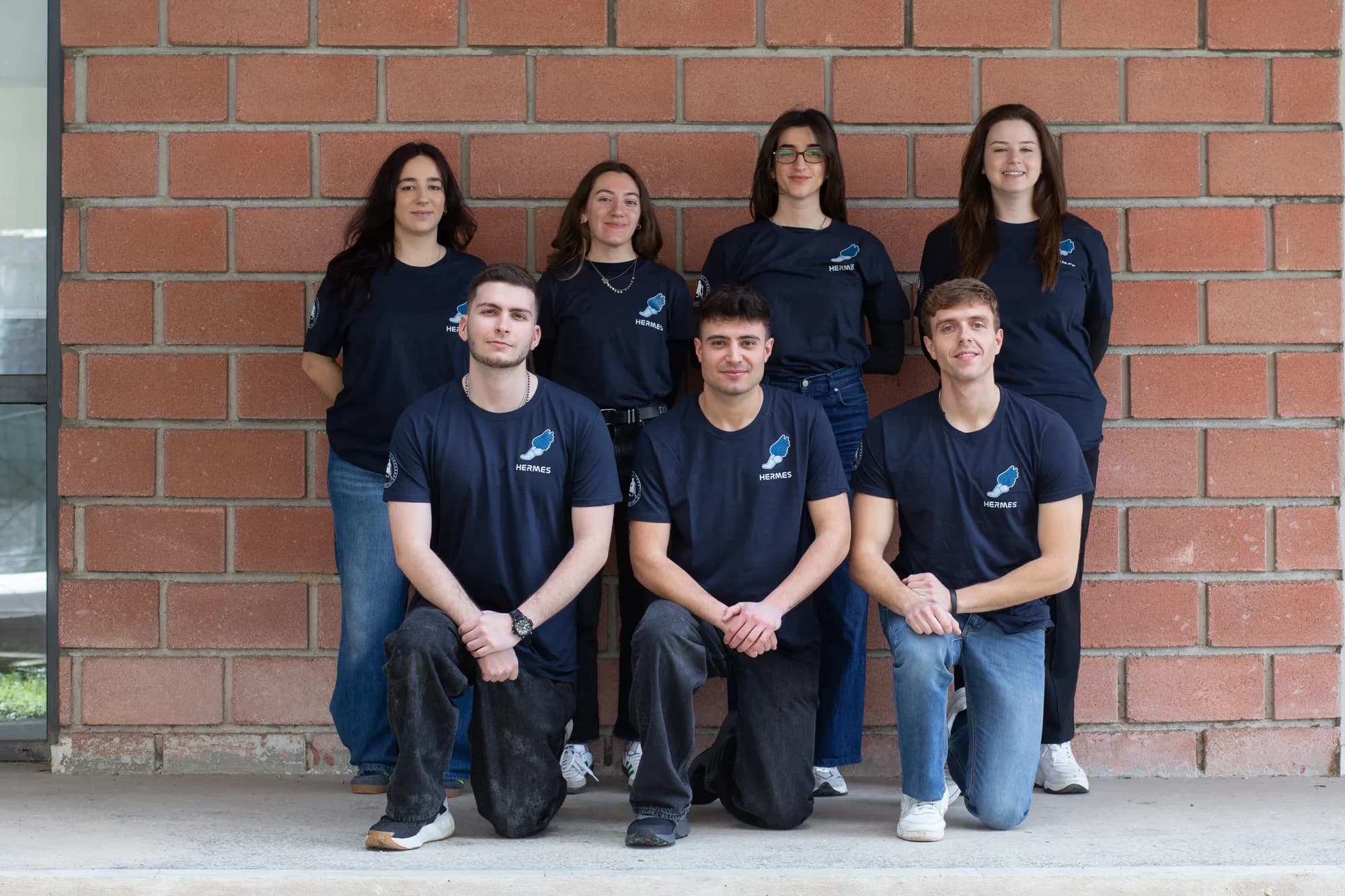
Browse all 71 engineers across every subsystem on the Team Members page.
Team Members